
Resources · Insights
Radio spots in local languages: five rules for a message that lands
Radio remains an essential community channel, provided the message is conceived in the listener’s language, not merely translated into it.
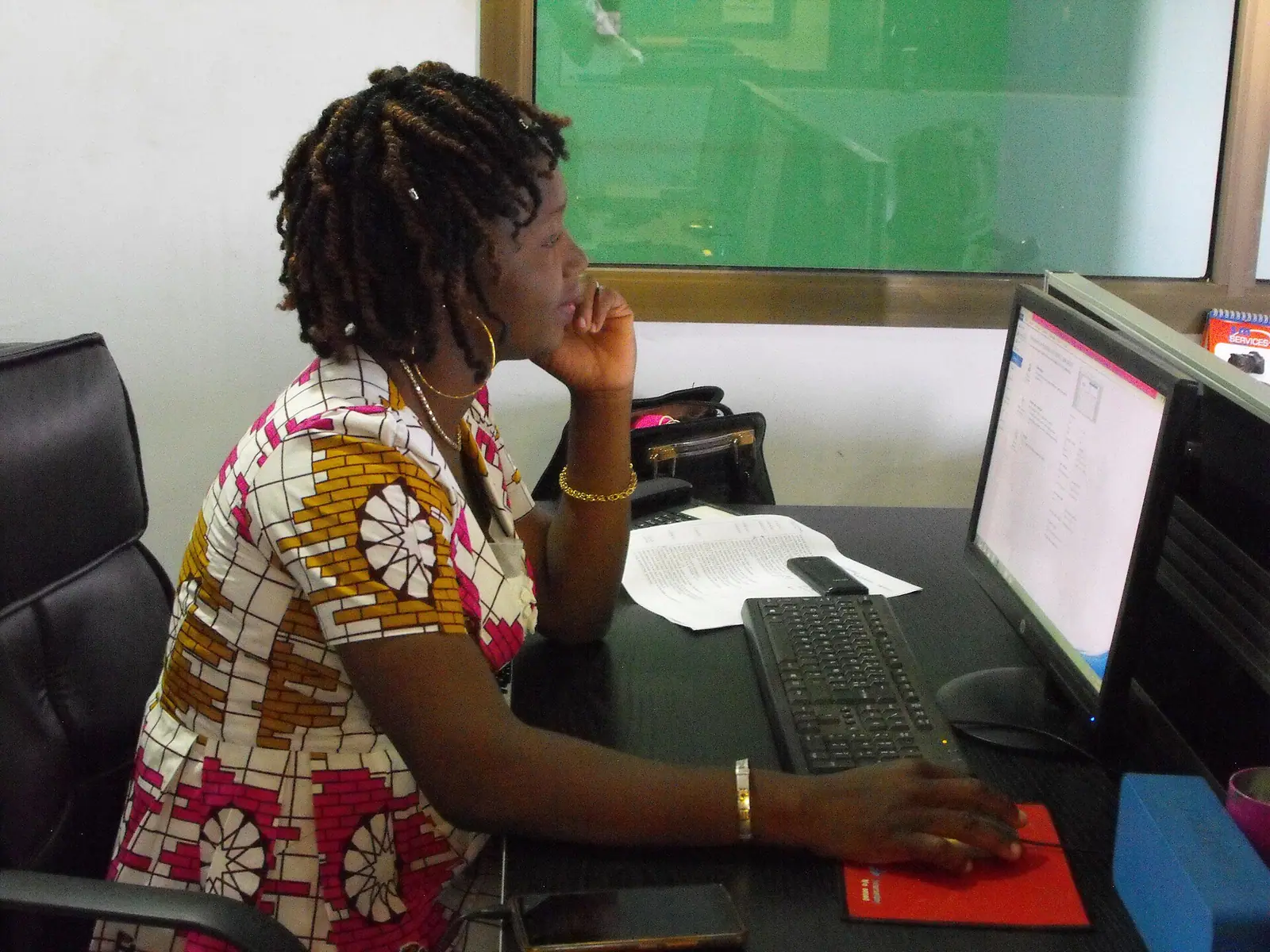
Radio remains one of the most direct ways to reach communities, in towns and in rural areas alike. But a spot written in French and translated at the last minute often loses what made it work. These are the rules we apply.
1. Write in the language, do not translate into it
The message is built with native speakers who know its images, proverbs and courtesies. A literal translation can be accurate and still sound wrong.
2. One message per spot
Thirty seconds is enough for one idea and one action. Beyond that, listeners remember the noise, not the advice.
3. Choose the right voice
Depending on the topic, the most credible voice may be a health worker, a mother, a religious leader or a young person. That choice should be tested.
4. Pre-test before broadcasting
A few listening sessions with members of the intended audience reveal misunderstandings before they cost a campaign.
5. Connect the spot to the field
A spot works best when it announces something concrete: an immunisation date, a water point, a community talk. Radio informs; community volunteers turn information into action.